


For the adventurous soul with an insatiable thirst for exploration, the world offers a kaleidoscope of destinations waiting to be discovered beyond the well-trodden tourist paths, ans many of them are experiencing a special boom in 2025. Among these hidden gems lie Uzbekistan, a country that promises unique and unforgettable experiences.
Uzbekistan, nestled in the heart of Central Asia, whispers tales of ancient Silk Road glory, adorned with magnificent cities and captivating desert landscapes.

This guide will delve into the historical significance, thrilling activities, rich cultures, and essential travel information for start planning a trip to Uzbekistan, providing a comprehensive introduction for those ready to embark on an extraordinary journey. Uzbekistan’s ancient Silk Road charm is a compelling choice for adventurous travelers, promising a distinct flavor of exploration.

Uzbekistan: Journey to the Heart of the Silk Road
A Tapestry of Time: History and the Jewels of the Silk Road
Uzbekistan’s strategic position along the ancient Silk Road forged its identity as a vibrant crossroads of civilizations, attracting merchants, scholars, and conquerors for centuries. This historical artery witnessed the passage of iconic figures like Alexander the Great and Timur (Tamerlane), leaving behind a legacy of architectural grandeur and cultural fusion.

Samarkand, a city founded by Alexander the Great in the 4th century BC, stands as a testament to this rich past. The Registan Square, with its awe-inspiring madrasahs, serves as a breathtaking introduction to Islamic architecture, its scale and intricate beauty a tribute to the Timurid dynasty. The Gur-e-Amir Mausoleum, the final resting place of Timur, and the Shah-i-Zinda necropolis, an avenue of elaborately tiled tombs, further showcase the exquisite craftsmanship of this era. Even the Bibi-Khanym Mosque, built by Timur for his Chinese wife, exemplifies the architectural prowess of the time.

Bukhara, a city with origins dating back to the 6th century BC, thrived as a vital trading hub along the Silk Road. Its well-preserved ancient center, a UNESCO World Heritage site, boasts over 100 architectural monuments. The Ark of Bukhara, a formidable fortress with centuries of history, the elegantly carved Bolo-Hauz Mosque, and the ancient Ismail Samani Mausoleum are essential stops for any visitor. The iconic Kalon Mosque and Minaret offer panoramic views of this historically significant city. The history of Bukhara includes periods of invasion by both Genghis Khan and the Soviet Red Army, adding layers to its historical narrative.

Khiva, another jewel of the Silk Road and a UNESCO-listed site, presents a remarkably preserved open-air museum. Within the walled inner city of Itchan Kala, travellers can wander through a maze of stunning minarets and mosques, experiencing a tangible connection to the Silk Road era. Khiva holds particular significance as an ancient Silk Road city, its well-preserved state offering a glimpse into the past.

Panoramic view of Khiva (F. Spada / CC)
The sheer number of UNESCO World Heritage sites concentrated in Uzbekistan, especially the famed Silk Road cities, underscores the nation’s profound historical and cultural importance. This significance holds immense appeal for adventurous travelers drawn to the exploration of ancient civilizations and the marvels of their architectural achievements. The historical narrative of Uzbekistan is rich and complex, encompassing influences from Alexander the Great’s conquests to the rise and fall of Silk Road empires and the more recent Soviet era.1
Thrill Seekers’ Haven: Adventure Beyond the Ancient Walls
Beyond its celebrated historical sites, Uzbekistan offers a diverse range of adventures for those seeking more active experiences. The vast Kyzylkum Desert provides a stark yet beautiful landscape for exploration. Spending a night in a traditional yurt under the expansive desert sky offers a unique experience of isolation and tranquility. Activities such as camel riding across the undulating dunes and gazing at the unpolluted, star-filled night sky create lasting memories.

The serene Nuratau Mountains beckon with opportunities for hiking through picturesque landscapes and visiting remote Tajik villages. A homestay experience with a local family offers an intimate glimpse into Uzbek culture, providing a chance to share home-cooked meals and learn about their traditions. Hikers in the Nuratau Mountains might even be fortunate enough to spot the endemic argali mountain sheep.

For more challenging outdoor pursuits, the Chimgan Mountains and Ugam-Chatkal National Park, located near Tashkent, present stunning vistas and diverse terrain. Often called “Uzbek Switzerland,” the Chimgan Mountains offer hiking trails for various skill levels and the exhilarating option of paragliding for a bird’s-eye view of the breathtaking scenery. The expansive Ugam-Chatkal National Park, with its alpine meadows, winding rivers, and dramatic gorges, is a haven for avid hikers seeking to explore untouched nature.
From Tashkent: Chimgan Mountain, Charvak Lake & Amirsoy Tour

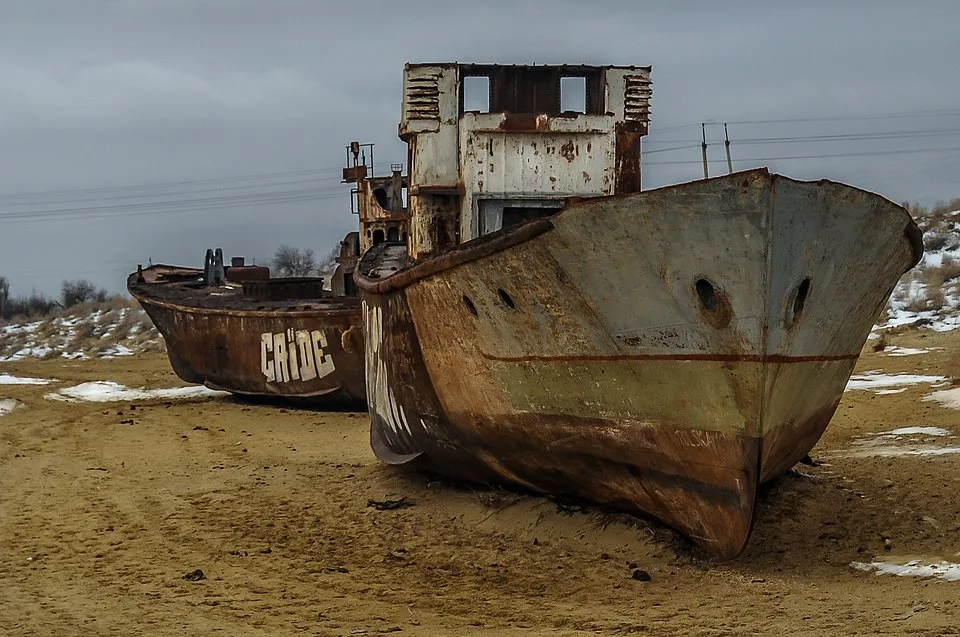
A visit to the receding Aral Sea offers a different kind of adventure, a poignant journey to a landscape shaped by ecological change. A jeep adventure tour to Muynak, where the skeletal remains of abandoned ships lie scattered across the desert floor, provides a stark reminder of the environmental impact on the region. This is a journey that every single expert should do, in my opinion. Not for tourists, though.

The combination of cultural immersion with these diverse outdoor adventures in Uzbekistan provides a unique and compelling travel experience. The chance to experience nomadic life in a yurt adds a distinctive cultural dimension to the adventurous exploration of the country’s varied landscapes.
A Cultural Embrace: Immersing in Uzbek Life
Beyond the historical and natural wonders, the heart of Uzbekistan lies in its people and their vibrant culture. Visitors are consistently struck by the warm hospitality of the Uzbek people, renowned for their welcoming and generous nature. Exploring the bustling local bazaars, such as the Chorsu Bazaar in Tashkent, offers a sensory feast of vibrant colors, enticing aromas, and the lively energy of local commerce.

Traditional tea houses, known as chaikhanas, provide tranquil spaces to savor Uzbekistan’s rich tea culture and engage in leisurely conversations with locals. The country boasts a vibrant arts and crafts scene, with ancient cities like Khiva celebrated for its silk weaving and the regions of Rishtan and Gijduvan renowned for their intricate ceramics. A visit to a ceramics workshop in Gijduvan offers a firsthand look at this traditional art form, often passed down through generations.

Experiencing local festivals provides another avenue for cultural immersion. Navruz, the springtime new year celebration, and the Silk and Spices Festival, held annually in May, showcase the country’s rich traditions, music, and crafts. Sharing home-cooked meals with local families, particularly during a homestay in the Nuratau Mountains, offers an intimate glimpse into Uzbek daily life and customs.
Central Asia, as a whole, represents a unique blend of ancient Silk Road heritage, influences from the Soviet era, and the ongoing process of national identity formation in the post-independence period.
Navigating Your Uzbek Adventure: Practical Tips
Planning a trip to Uzbekistan is becoming increasingly straightforward. Many nationalities now benefit from visa-free entry for stays of up to one month. For those who require a visa, the e-visa application process is generally quick and easy.
The most favorable times to visit Uzbekistan are during the spring (March to May) and autumn (September to November), when temperatures are pleasantly mild, typically in the 20s Celsius.
Travellers should be prepared for the intense heat of summer, with temperatures often exceeding 40°C in July and August. Winters in Uzbekistan can be relatively cold.
Uzbekistan has earned a reputation as a remarkably safe country for tourists. In 2023, it was recognized as the safest country globally based on the Safety Perceptions Index. Violent crime is rare, especially in areas frequented by tourists. Since 2019, Tourist Police have been actively operating in major cities like Tashkent, Samarkand, and Bukhara to ensure the safety and comfort of visitors. When visiting religious sites, it is advisable to dress modestly, respecting local customs.
Transportation within Uzbekistan is efficient and convenient, particularly between major cities connected by a modern high-speed train system. Within cities like Tashkent, the local metro provides an affordable and reliable way to get around.
Understanding basic cultural etiquette will enhance interactions with locals. It is customary to use the right hand when greeting people, passing items, and eating. Showing respect for elders and family values is deeply ingrained in Uzbek culture.

Leave a Reply